
Professor Yongdae Kim’s Team Vulnerability Found: A Single Packet Can Paralyze Smartphones

1. KAIST 김용대 교수 side 1
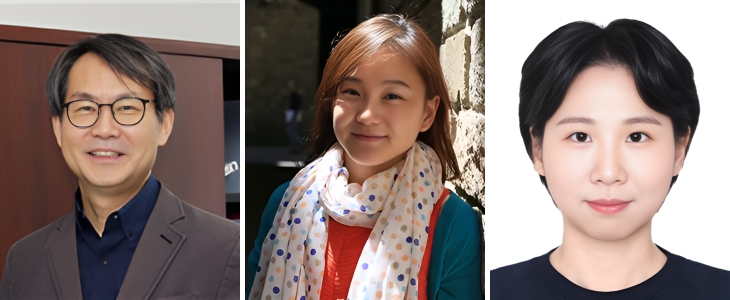
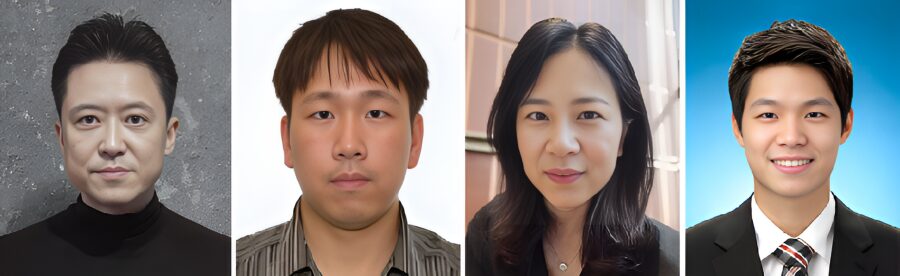
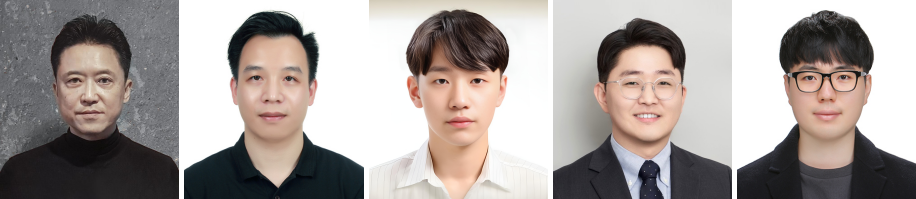
<(From left) Professor Yongdae Kim, PhD candidate Tuan Dinh Hoang, PhD candidate Taekkyung Oh from KAIST, Professor CheolJun Park from Kyung Hee University; and Professor Insu Yun from KAIST>

Smartphones must stay connected to mobile networks at all times to function properly. The corecomponent that enables this constant connectivity is the communication modem (Baseband) inside the device. KAIST researchers, using their self-developed testing framework called ‘LLFuzz (Lower Layer Fuzz),’ have discovered security vulnerabilities in the lower layers of smartphone communication modems and demonstrated the necessity of standardizing ‘mobile communication modem security testing.’ *Standardization: In mobile communication, conformance testing, which verifies normal operation in normal situations, has been standardized. However, standards for handling abnormal packets have not yet been established, hence the need for standardized security testing.


Professor Yongdae Kim’s team from the School of Electrical Engineering at KAIST, in collaboration with Professor CheolJun Park’s team from Kyung Hee University, has discovered critical security vulnerabilities in the lower layers of smartphone communication modems. These vulnerabilities can incapacitate smartphone communication with just a single manipulated wireless packet (a data transmission unit in a network). In particular, they are extremely severe, as they can potentially lead to remote code execution (RCE).
 

The research team utilized their self-developed ‘LLFuzz’ analysis framework to analyze the lower layer state transitions and error handling logic of the modem to detect security vulnerabilities. LLFuzz was able to precisely extract vulnerabilities caused by implementation errors by comparing and analyzing 3GPP* standard-based state machines with actual device responses. *3GPP: An international collaborative organization that creates global mobile communication standards.


The research team conducted experiments on 15 commercial smartphones from global manufacturers, including Apple, Samsung Electronics, Google, and Xiaomi, and discovered a total of 11 vulnerabilities. Among these, seven were assigned official CVE (Common Vulnerabilities and Exposures) numbers, and manufacturers applied security patches for these vulnerabilities. However, the remaining four have not yet been publicly disclosed.


While previous security research primarily focused on higher layers of mobile communication, such as NAS (Network Access Stratum) and RRC (Radio Resource Control), the research team concentrated on analyzing the error handling logic of mobile communication’s lower layers, which manufacturers have often neglected
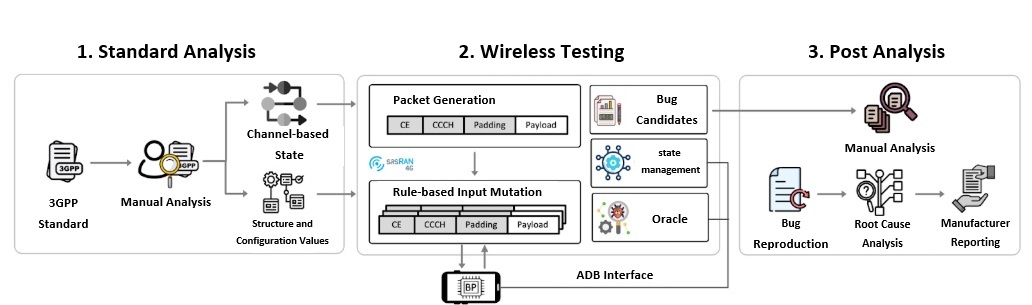
 

1. LLFuzz 시스템 구성도영 1
<LLFuzz Design>


These vulnerabilities occurred in the lower layers of the communication modem (RLC, MAC, PDCP, PHY*), and due to their structural characteristics where encryption or authentication is not applied, operational errors could be induced simply by injecting external signals. *RLC, MAC, PDCP, PHY: Lower layers of LTE/5G communication, responsible for wireless resource allocation, error control, encryption, and physical layer transmission.


The research team released a demo video showing that when they injected a manipulated wireless packet (malformed MAC packet) into commercial smartphones via a Software-Defined Radio (SDR) device using packets generated on an experimental laptop, the smartphone’s communication modem (Baseband) immediately crashed


※ Experiment video: https://drive.google.com/file/d/1NOwZdu_Hf4ScG7LkwgEkHLa_nSV4FPb_/view?usp=drive_link


The video shows data being normally transmitted at 23MB per second on the fast.com page, but immediately after the manipulated packet is injected, the transmission stops and the mobile communication signal disappears. This intuitively demonstrates that a single wireless packet can cripple a commercial device’s communication modem.


images 000103 Discovered vulnerabilities across different vendors and protocol layers
<LTE Vulnerability Summary>


The vulnerabilities were found in the ‘modem chip,’ a core component of smartphones responsible for calls, texts, and data communication, making it a very important component.


  • Qualcomm: Affects over 90 chipsets, including CVE-2025-21477, CVE-2024-23385.
  • MediaTek: Affects over 80 chipsets, including CVE-2024-20076, CVE-2024-20077, CVE-2025-20659.
  • Samsung: CVE-2025-26780 (targets the latest chipsets like Exynos 2400, 5400).
  • Apple: CVE-2024-27870 (shares the same vulnerability as Qualcomm CVE).
  •  

The problematic modem chips (communication components) are not only in premium smartphones but also in low-end smartphones, tablets, smartwatches, and IoT devices, leading to the widespread potential for user harm due to their broad diffusion.


Furthermore, the research team experimentally tested 5G vulnerabilities in the lower layers and found two vulnerabilities in just two weeks. Considering that 5G vulnerability checks have not been generally conducted, it is possible that many more vulnerabilities exist in the mobile communication lower layers of baseband chips.


Professor Yongdae Kim explained, “The lower layers of smartphone communication modems are not subject to encryption or authentication, creating a structural risk where devices can accept arbitrary signals from external sources.” He added, “This research demonstrates the necessity of standardizing mobile communication modem security testing for smartphones and other IoT devices.”


The research team is continuing additional analysis of the 5G lower layers using LLFuzz and is also developing tools for testing LTE and 5G upper layers. They are also pursuing collaborations for future tool disclosure. The team’s stance is that “as technological complexity increases, systemic security inspection systems must evolve in parallel.”


First author Tuan Dinh Hoang, a Ph.D. student in the School of Electrical Engineering, will present the research results in August at USENIX Security 2025, one of the world’s most prestigious conferences in cybersecurity.


※ Paper Title: LLFuzz: An Over-the-Air Dynamic Testing Framework for Cellular Baseband Lower Layers (Tuan Dinh Hoang and Taekkyung Oh, KAIST; CheolJun Park, Kyung Hee Univ.; Insu Yun and Yongdae Kim, KAIST)

※ Lab homepage paper: https://syssec.kaist.ac.kr/pub/2025/LLFuzz_Tuan.pdf

※ Open-source repository: https://github.com/SysSec-KAIST/LLFuzz (To be released)


This research was conducted with support from the Institute of Information & Communications Technology Planning & Evaluation (IITP) funded by the Ministry of Science and ICT.
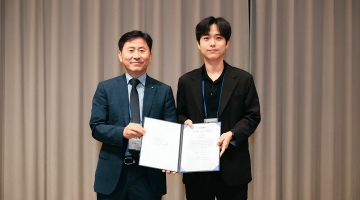
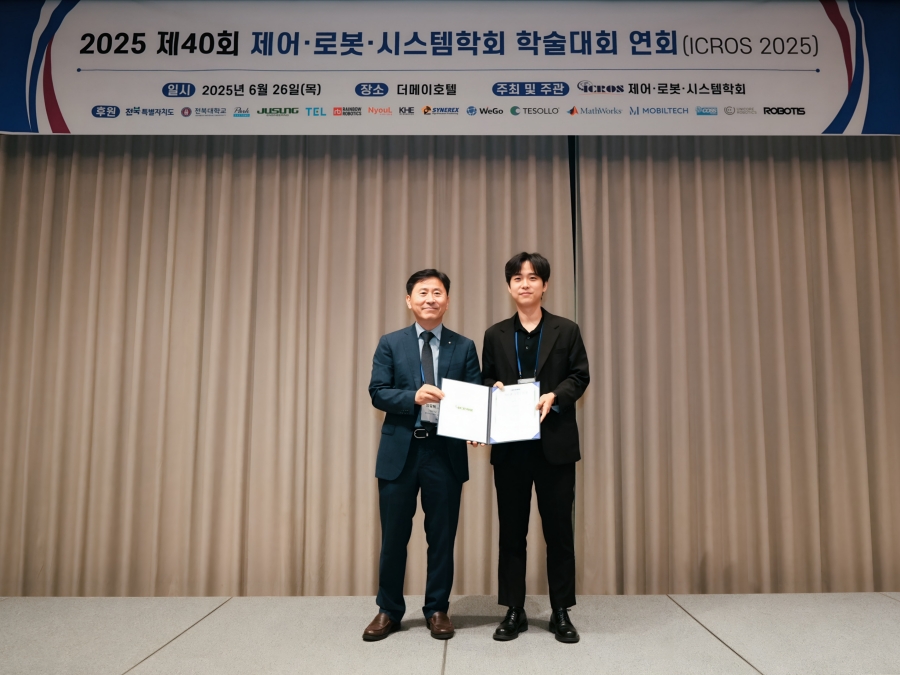
Ph.D. candidate Mr. Eungchang Lee (Professor Hyun Myung’s Lab) Wins KFMES Best Paper Award at the ‘ICROS Annual Conference 2025’

연구실 900
〈(from left) Myotaeg Lim, President of ICROS and Eungchang Mason Lee, Ph.D. candidate〉


Eungchang Mason Lee, a Ph.D. candidate in Professor Hyun Myung’s lab in our School, has achieved the honor of receiving the Best Paper Award presented by KFMES (The Korea Federation of Mechanical Engineering Societies; 한국기계기술단체총연합회) at the 2025 Conference of Institute of Control, Robotics and Systems (ICROS).


Out of a total of 554 papers presented at the conference, 9 papers were selected for the Excellent Paper Award and 8 for the Best Paper Award. Among them, only one paper was honored with the KFMES Best Paper Award.


The award-winning paper, titled <Degeneracy-Robust LiDAR-Inertial Odometry with Adaptive Schmidt-Kalman Filter>, proposes a novel method for accurately and reliably estimating the pose of robot in extreme environments where LiDAR measurements are sparse or imbalanced.

Professor Kyeongha Kwon’s research team Wins Grand Prize at the 2025 ISE Summer Annual Conference

side
<(From left) Uikyeong Lee (Master’s student), Byeongho Hwang (Doctoral student), Jihan Shin (Master’s student), and Jinho Park (Master’s student)>

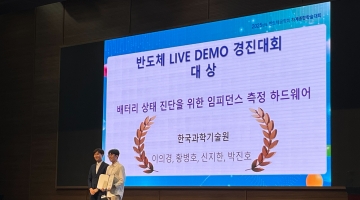
Students from Professor Kwon Kyeongha’s laboratory in our School – Lee Uikyeong(master’s student), Hwang Byeongho(doctoral student), Shin Jihan, and Park Jinho(master’s students) – won the Grand Prize at the Semiconductor Live Demonstration Competition held during the Korean Society of Semiconductor & Display Technology Summer Conference.


The winning team developed an impedance measurement device for battery health diagnosis and conducted real-time demonstrations on-site. This system presented an innovative solution that enables precise evaluation of automotive battery performance and lifespan through high-precision impedance measurement. 


The achievement is particularly significant for presenting a practical solution in the field of energy management, which is crucial in the electric vehicle era. Through this award, the research team’s hardware development capabilities have been recognized, and their work is expected to contribute to technological advancement in related fields.

Professor Young Min Song’s Team Develops Unclonable Optical‑Fingerprint Security Technology Inspired by Nature’s Structural Colors

교수님 side
< (From left) Young Min Song, Professor, KAIST School of Electrical Engineering and Hyeon‑Ho Jeong, Professor, GIST School of EECS >

Our department’s Professor Young Min Song, in collaboration with Professor Hyeon‑Ho Jeong’s research team at GIST School of EECS, has developed a replication‑impossible security authentication technology based on nature‑inspired nanophotonic structures. 


This technology can be easily embedded into physical products such as ID cards or QR codes and, being visually indistinguishable from existing items, provides strong tamper‑proof protection without compromising design. It holds broad potential for applications requiring genuine‑product authentication, including premium consumer goods, pharmaceuticals, and electronics.


Until now, anti‑tampering measures like QR codes and barcodes have been limited by their ease of replication and the difficulty of assigning truly unique identifiers to each item. A recently spotlighted solution is the physically unclonable function (PUF)*, which leverages the natural randomness arising during manufacturing to grant each device a unique physical signature, thereby enhancing security and authentication reliability.


However, existing PUF technologies, while achieving randomness and uniqueness, have struggled with color consistency control and are easily identified (and thus attacked) from the outside. * Physically Unclonable Function (PUF): A technique that uses physical variations formed during the manufacturing process to generate a unique authentication key. Because these variations are inherently random and unclonable, even if the authentication data is stolen, constructing the exact hardware for authentication is effectively impossible.


In response, the research team turned its attention to the unique phenomenon of structural color* observed in natural organisms. For example, the wings of butterflies, feathers of birds, and leaves of seaweed all contain nanoscale microstructures arranged in a form of quasiorder*—a pattern that is neither completely ordered nor entirely random. These structures appear to exhibit uniform coloration to the naked eye, but internally contain subtle randomness that enables survival functions such as camouflage, communication, and predator evasion.

 * Quasi‑order: A structural arrangement that is neither fully ordered nor fully disordered. In nature, nano‑scale elements are arranged in a pattern that blends order with randomness—found, for example, in butterfly wings, seaweed leaves, and bird feathers—producing uniform color at a macroscopic scale while embedding unique optical features.

* Structural Color: Color produced not by pigments but by nano‑meter‑scale structures that interact with light, commonly seen in living organisms. Classic examples include the iridescent wings of butterflies and the feathers of peacocks.


The researchers drew inspiration from these natural phenomena. They deposited a thin dielectric layer of HfO₂ onto a metallic mirror and then used electrostatic self‑assembly to arrange gold nanoparticles (tens of nanometers in size) into a quasi‑ordered plasmonic metasurface*. Visually, this nanostructure exhibits a uniform reflection color; under a high‑magnification optical microscope, however, each region reveals a distinct random scattering pattern—an “optical fingerprint*”—that is impossible to replicate. * Plasmonic Metasurface: An ultrathin optical structure comprising precisely arranged metallic nano‑elements that exploit surface plasmon resonance to locally enhance electromagnetic fields, enabling far more compact and precise light–matter interaction than conventional optics. * Optical Fingerprint: A unique pattern of reflection, scattering, and interference produced when light interacts with a micro‑ or nano‑scale structure. Because these patterns arise from random structural variations that cannot be exactly duplicated, they serve as a practically unclonable security feature.

The team confirmed that leveraging these nano‑scale stochastic patterns enhances PUF performance compared to conventional approaches.


In a hypothetical hacking scenario where an attacker attempts to recreate the device, the time required to decrypt the optical fingerprint would exceed the age of the Earth, rendering replication virtually impossible. Through demonstration experiments on pharmaceuticals, semiconductors, and QR codes, the researchers validated the technology’s practical industrial applicability.


Analysis of over 500 generated PUF keys showed an average bit‑value distribution of 0.501, which is remarkably close to the ideal balance of 0.5, and an average inter‑key Hamming distance of 0.494, demonstrating high uniqueness and reliability. Additionally, the scattering patterns remained stable under various environmental stresses, including high temperature, high humidity, and friction, confirming excellent durability.


Professor Young Min Song emphasized, “Whereas conventional security labels can be deformed by even minor damage, our technology secures both structural stability and unclonability. In particular, by separating visible color information from the invisible unique‑key information, it offers a new paradigm in security authentication.”


Professor Hyeon‑Ho Jeong added, “By reproducing structures in which order and disorder coexist in nature through nanotechnology, we have created optical information that appears identical externally yet is fundamentally unclonable. This technology can serve as a powerful anti‑counterfeiting measure across diverse fields, from premium consumer goods to pharmaceutical authentication and even national security.”


This work, guided by Professor Young Min Song (KAIST School of Electrical Engineering) and Professor Hyeon‑Ho Jeong (GIST School of EECS), and carried out by Gyurin Kim, Doeun Kim, JuHyeong Lee, Juhwan Kim, and Se‑Yeon Heo, was supported by the Ministry of Science and ICT and the National Research Foundation’s Early‑Career Research Program, the Regional Innovation Mega Project in R&D Special Zones, and the GIST‑MIT AI International Collaboration Project. 


The results were published online on July 8, 2025, in the international journal Nature Communications.


* Paper title: Quasi‑ordered plasmonic metasurfaces with unclonable stochastic scattering for secure authentication

* DOI: https://doi.org/10.1038/s41467-025-61570-y

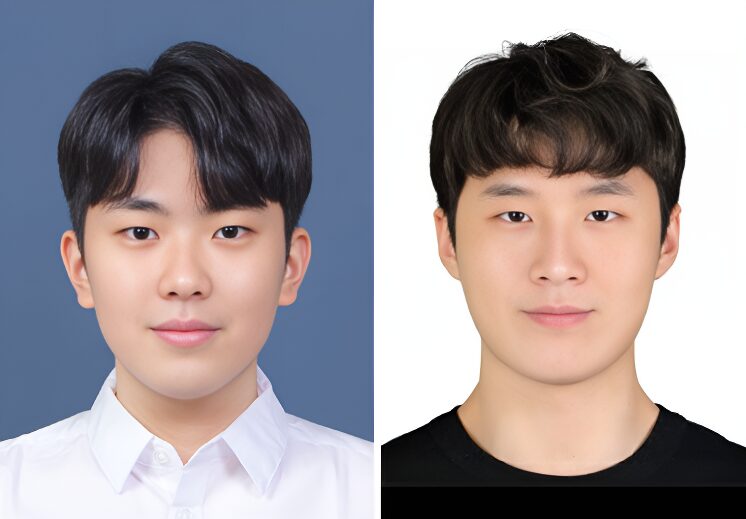
Dae Hyun Kang & Seung Hoon Kim (Integrated M.S.& Ph.D., Professor Byung Jin Cho’s Lab) Win Best Oral Presentation Award at the ‘KIEEME Summer Conference 2025’

< (from left) M.S.& Ph.D. integrated candidate Dae Hyun Kang , Seung Hoon Kim >

Students Dae Hyun Kang and Seung Hoon Kim (M.S.& Ph.D. integrated program) from Professor Byung Jin Cho’s Research Lab have been honored with the Best Oral Presentation Award at the 2025 Summer Conference of the Korean Institute of Electrical and Electronic Material Engineers (KIEEME).

 
The KIEEME Summer Conference is one of the most prestigious academic events in Korea for the fields of electronic materials and semiconductors. It serves as a key venue for sharing the latest research achievements, discussing industrial trends, and promoting academic–industrial collaboration.
 
Dae Hyun Kang presented a paper titled “Performance Enhancement of Charge Trap Flash Memory via Silicon-Doped Boron Nitride Energy Barrier,” while Sheung Hun Kim presented “Analysis of Disturbance Behavior through Lanthanum Interface Treatment in Hafnium Oxide Ferroelectric-Based FeFET Memory.”
 
Both presentations received high evaluations for originality, technical completeness, and contributions to both academia and industry, leading them to be jointly awarded the Best Oral Presentation Award.
 
This achievement is particularly significant as it highlights the breakthrough potential of advanced charge trap memory and FeFET memory technologies in overcoming performance limitations and improving device reliability, gaining strong recognition from both academia and industry.
 

Ph.D. Candidate Carmela Michelle Esteban from Professor Seunghyup Yoo’s Lab Receives Young Researcher Award at ISFOE25

award ceremony enhancer 1
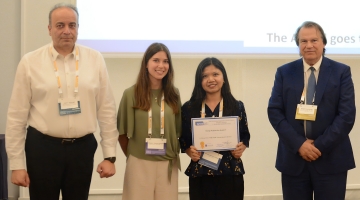
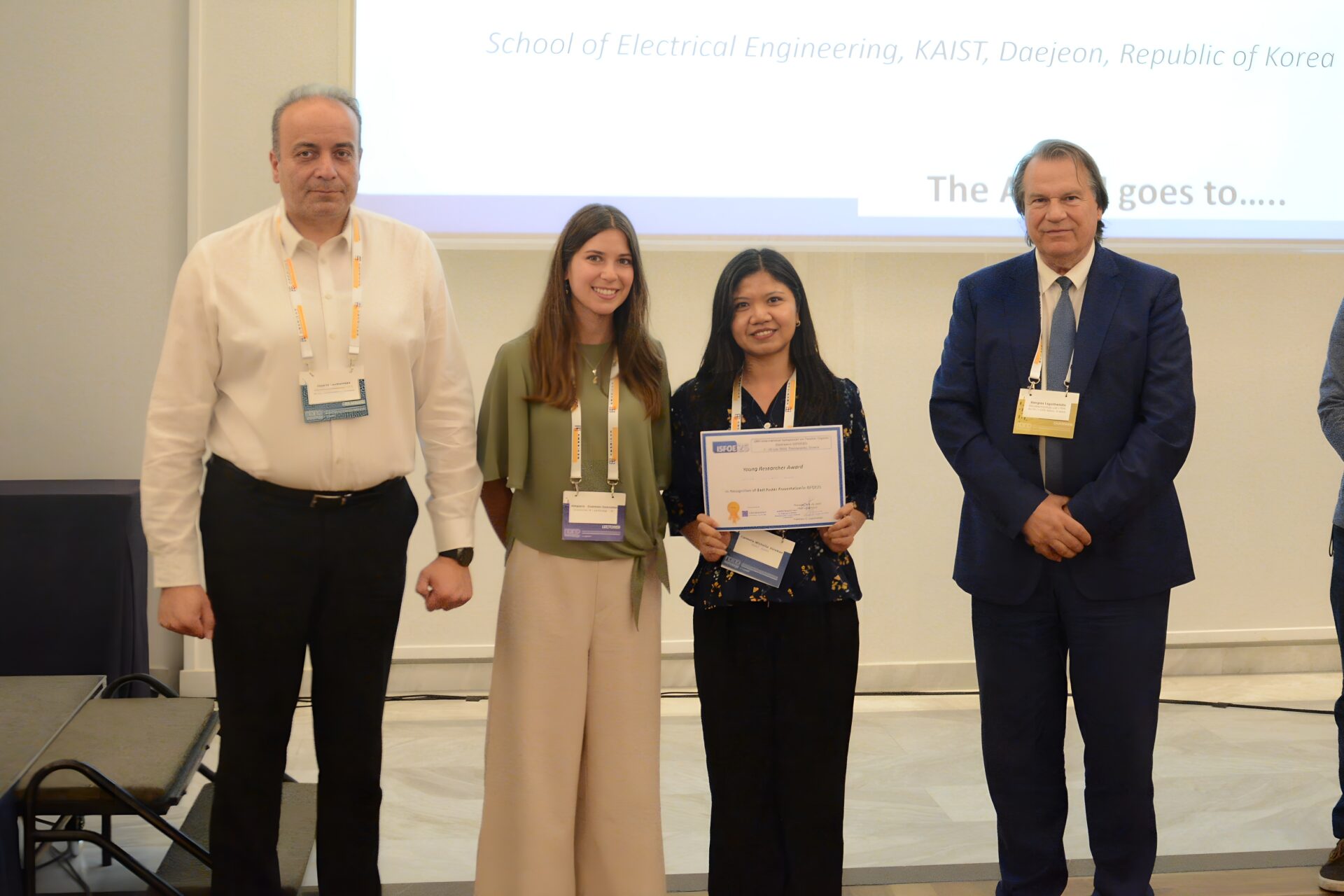
< (third from the left) Ph.D. candidate Carmela Michelle Esteban>

Carmela Michelle Esteban, a Ph.D. candidate in the research group of Professor Seunghyup Yoo at KAIST School of Electrical Engineering, received the Young Researcher Award for Best Poster Presentation at the 18th International Symposium on Flexible Organic Electronics (ISFOE25), held from July 7 to 10 in Thessaloniki, Greece.


Michelle was recognized for her outstanding research presentation titled “Multi-Functional Polymeric Substrate with Integrated Optical Layers for Flexible Organic Photodetectors.”


ISFOE is a prestigious international symposium in the field of flexible organic and printed electronics, held annually to foster innovation in next-generation electronics. Each year, the Young Researcher Awards are presented to graduate students who demonstrate academic excellence and exceptional research achievements in the field.


Awardees receive a certificate and a complimentary publication for use in the Nanomaterials journal published by MDPI.

Professor Hoi-Jun Yoo of KAIST Elected as a New Member of the National Academy of Sciences, Republic of Korea

교수님 900

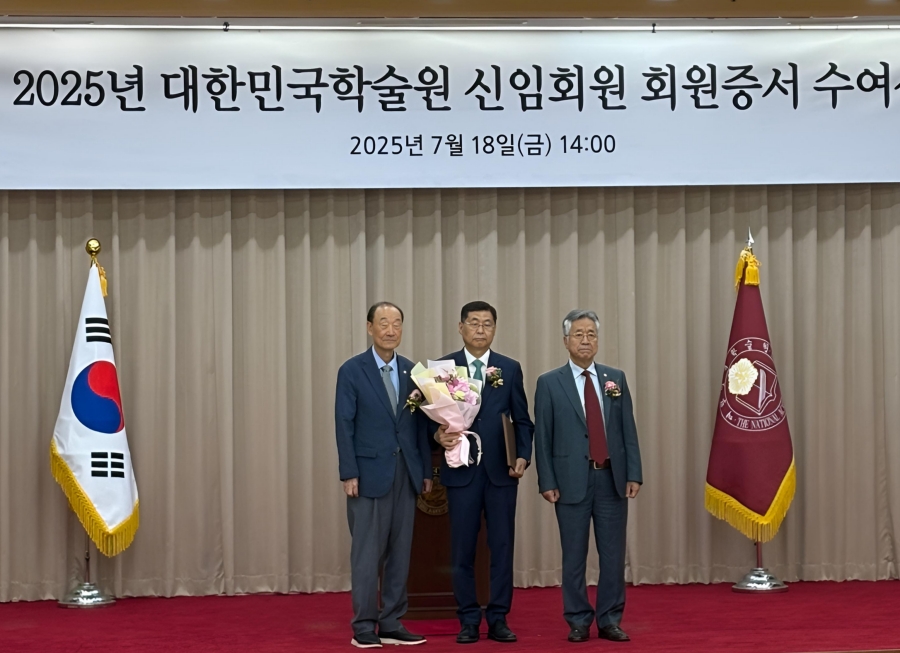
Professor Hoi-Jun Yoo, a faculty member in the School of Electrical Engineering at KAIST and an ICT Endowed Chair Professor, has been elected as a new member of the National Academy of Sciences, Republic of Korea (NAS) for the year 2025. His official appointment was confirmed at the NAS general assembly held on July 11, in recognition of his continued research excellence and academic contributions in the field of electronic engineering. He received his membership certificate during the induction ceremony held on July 18 at the NAS headquarters in Seocho-gu, Seoul.
 
Established in 1954 under the Ministry of Education, the NAS is a national academic institution that annually selects a very limited number of new members through a rigorous screening process, honoring distinguished scholars who have significantly contributed to academic advancement in Korea. This year, only eight scholars nationwide were selected, with Professor Yoo being the sole appointee in Division 3 (Engineering) of the Natural Sciences category.
 
The NAS selects scholars with exceptional academic achievements and contributions to the development of their fields to support their research, provide academic policy advisory, promote international academic exchange, designate outstanding academic books, and present the NAS Awards. Membership is granted based not only on research accomplishments but also on long-term contributions to academia, representing the highest level of academic prestige in Korea. As of 2025, the total membership is limited to approximately 150 scholars across both natural and social sciences, with around 70 members in the natural sciences division nationwide.
 
NAS members are regarded as “nationally recognized representatives of academia,” tasked with serving the country and society through scholarly work. The NAS also acts as a hub for international academic collaboration by cooperating with major academies around the world.
 
Professor Yoo is a globally recognized researcher in the fields of semiconductor design and convergent systems, including AI semiconductors, neuromorphic chips, ultra-low power SoCs (System on Chip), and wearable semiconductors. He currently serves as a professor in the Department of Electrical Engineering at KAIST, ICT Endowed Chair Professor, Director of the Graduate School of AI Semiconductors, Director of the Institute for IT Convergence, and Head of the Research Center for PIM Semiconductor Design.
 
Notably, Professor Yoo developed the world’s first 256M SDRAM in 1995 and published a related paper, marking the beginning of a prolific research career. Between 2000 and 2023, he published 62 key academic papers, covering a wide range of topics such as semiconductor design, AI semiconductors, wearable AR chips, low-power wireless communication chips, and biomedical ICs. In 2014, he announced the world’s first deep neural network (DNN) accelerator chip, and by 2025, he had published 18 research papers on AI semiconductors.
 
He is also a Fellow of the Institute of Electrical and Electronics Engineers (IEEE) and was named one of the “Top 5 Most Prolific Authors” at the 70th anniversary of the International Solid-State Circuits Conference (ISSCC)?the only Asian scholar to be included in this list, affirming his international research prominence.
 
Earlier in his career, Professor Yoo led the development of surface-emitting lasers at Bell Labs and directed the development of 256M DRAM at Hyundai Electronics (now SK hynix). In 2005, he also contributed to national policy as an advisor to the Ministry of Information and Communication, helping shape SoC and next-generation computing technology strategies.
 
To date, he has authored or edited over 250 papers and five technical books. He has served as a committee member and TPC chair for leading international conferences such as ISSCC, A-SSCC, and ISWC, and has been active as an IEEE SSCS Distinguished Lecturer.
 
The KAIST School of Electrical Engineering described Professor Yoo’s appointment as a recognition of his continued academic contributions and growing international stature in the fields of semiconductors and electronic engineering. The school expressed expectations for his continued research achievements and mentorship of the next generation.
 
His election to the NAS stands as a nationally recognized testament to Professor Yoo’s long-standing research accomplishments and academic impact in the field of electronic and system semiconductor design, marking a meaningful milestone in the acknowledgment of his expertise and sustained scholarly activity.

Professor Shinhyun Choi’s Team Develops Next-Generation Neuromorphic Semiconductor Based Artificial Sensory Nervous System

1. 왼쪽부터 KAIST 전기및전자공학부 박시온 석박사통합과정 충남대 이종원 교수 KAIST 최신현 교수
< (Left to right) See‑On Park, MS-PhD Integrated student, KAIST School of Electrical Engineering; Jongwon Lee, Professor, Department of Semiconductor Convergence, Chungnam National University; Shinhyun Choi, Professor, School of Electrical Engineering, KAIST >

With the joint advancement of artificial intelligence and robotics technologies, enabling robots to perceive and respond to their environments as efficiently as humans has become a critical challenge. Recently, a Korean research team has attracted attention by newly implementing an artificial sensory nervous system that mimics biological sensory nerves without any complex software or circuitry. This technology minimizes energy consumption while intelligently reacting to external stimuli, promising applications in ultra‑miniature robots, prosthetic hands, and robotics for medical or extreme environments.


A joint research team led by Shinhyun Choi, KAIST Endowed Chair Professor, and Jongwon Lee, Professor in the Department of Semiconductor Convergence at Chungnam National University, together with See‑On Park of the integrated MS-PhD program in the KAIST School of Electrical Engineering, has developed a next‑generation, neuromorphic‑semiconductor‑based artificial sensory nervous system. They experimentally demonstrated a novel robotic system that responds efficiently to external stimuli.


Animals, including humans, ignore safe or familiar stimuli but respond selectively and sensitively to important ones, thus preventing energy waste while focusing on crucial signals for swift reaction to environmental changes. For example, one soon tunes out the hum of an air conditioner or the feeling of clothes on the skin, yet quickly focuses on hearing one’s name called or sensing a sharp object touching the skin. This is regulated by the sensory nervous system’s functions of “habituation” and “sensitization,” and many have sought to apply these biological features to robots for more efficient, human‑like environmental responses.


However, implementing complex features such as habituation and sensitization in robots has required separate software or intricate circuitry, hindering miniaturization and energy efficiency. In particular, efforts using memristors, neuromorphic semiconductor elements whose resistance depends on the history of current flow, have been limited by conventional memristors’ simple conductance changes, which failed to replicate the sensory system’s complexity.


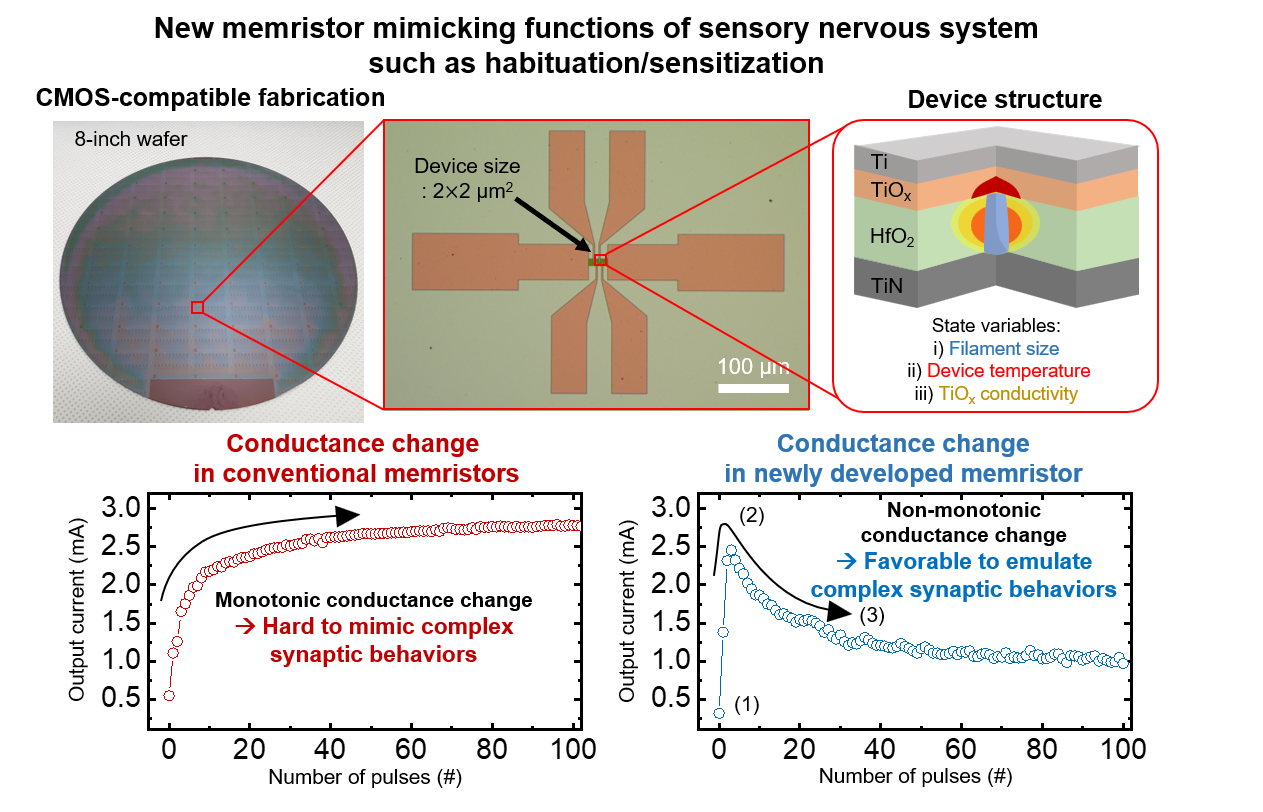
To overcome these limitations, the team engineered a new memristor in which opposing conductance‑changing layers coexist within a single device. This structure enables the realistic emulation of habituation and sensitization, as seen in biological sensory nerves.


Fig1 1
< Figure 1. Physical appearance and schematic of the new memristor capable of mimicking habituation and sensitization in sensory nerves (top), and comparison of the simple conductance‑change behavior of conventional memristors versus the complex conductance patterns of the developed device (bottom). >


This device gradually reduces its response upon repeated stimuli and, when a danger signal is detected, becomes sensitized again, faithfully reproducing the complex synaptic response patterns of real nervous systems.


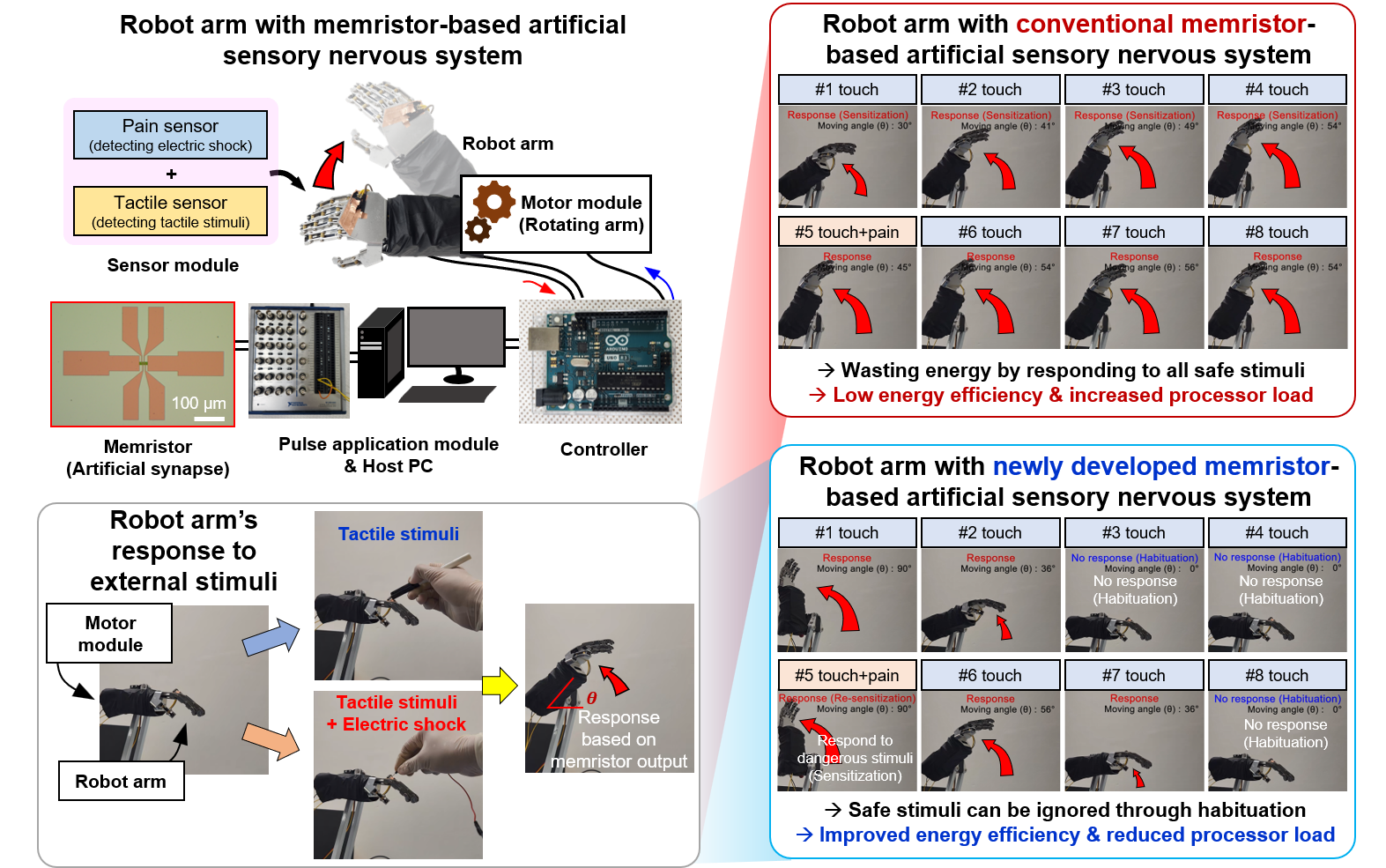
Using these memristors, the researchers built a memristor‑based artificial sensory nervous system for touch and pain detection, and attached it to a robotic hand to test its efficiency. When safe tactile stimuli were repeatedly applied, the robotic hand initially sensitive to the novel touch began to ignore it, demonstrating habituation. Later, when an electric shock accompanied the touch (a danger signal), the system recognized it as such and regained sensitivity, confirming the sensitization function.


Fig2
< Figure 2. Experimental results of the robotic hand equipped with the memristor‑based artificial sensory nervous system. By ignoring unimportant stimuli, the system improves energy efficiency and reduces processor load. >


These experiments prove that robots can respond to stimuli as efficiently as humans without complex software or processors, validating the feasibility of energy‑efficient, neuro‑inspired robots.


See‑On Park, first author of the study, stated, “By emulating the human sensory nervous system with next‑generation semiconductors, we’ve opened the door to a new class of robots that respond more intelligently and with greater energy efficiency to their environments. We expect applications in ultra‑miniature robots, military robots, and medical prostheses, where the convergence of advanced semiconductors and robotics is critical.”


This research was published online on July 1, 2025, in the international journal Nature Communications.


Paper title: Experimental demonstration of third‑order memristor‑based artificial sensory nervous system for neuro‑inspired robotics

DOI: https://doi.org/10.1038/s41467-025-60818-x

This research was supported by the National Research Foundation of Korea’s Next‑Generation Intelligent Semiconductor Technology Development Project, Mid‑Career Research Program, PIM AI Semiconductor Core Technology Development Project, Outstanding Young Researcher Program, and the Nano Comprehensive Technology Institute’s Nanomedical Devices Project.


Professor Kyung Cheol Choi and Professor Hyunjoo J. Lee’s Team Presents ‘Game-Changing’ Technology for Intractable Brain Disease Treatment Using Micro OLEDs

이현주 교수팀
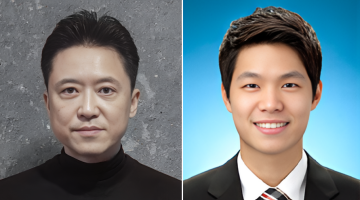
〈(From left)Professor Kyung Cheol Choi, Hyunjoo J. Lee, Somin Lee from the School of Electrical Engineering〉
Optogenetics is a technique that controls neural activity by stimulating neurons expressing light-sensitive proteins with specific wavelengths of light. It has opened new possibilities for identifying causes of brain disorders and developing treatments for intractable neurological diseases. Because this technology requires precise stimulation inside the human brain with minimal damage to soft brain tissue, it must be integrated into a neural probe—a medical device implanted in the brain. EE researchers have now proposed a new paradigm for neural probes by integrating micro OLEDs into thin, flexible, implantable medical devices.
 
In joint research, Professor Kyung Cheol Choi and Professor Hyunjoo J. Lee from the School of Electrical Engineering have jointly succeeded in developing an optogenetic neural probe integrated with flexible micro OLEDs.
 
Optical fibers have been used for decades in optogenetic research to deliver light to deep brain regions from external light sources. Recently, research has focused on flexible optical fibers and ultra-miniaturized neural probes that integrate light sources for single-neuron stimulation.
 
The research team focused on micro OLEDs due to their high spatial resolution and flexibility, which allow for precise light delivery to small areas of neurons. This enables detailed brain circuit analysis while minimizing side effects and avoiding restrictions on animal movement. Moreover, micro OLEDs offer precise control of light wavelengths and support multi-site stimulation, making them suitable for studying complex brain functions.
 
 
2. 마이크로 OLED 집적 광유전학용 유연 뉴럴 프로브
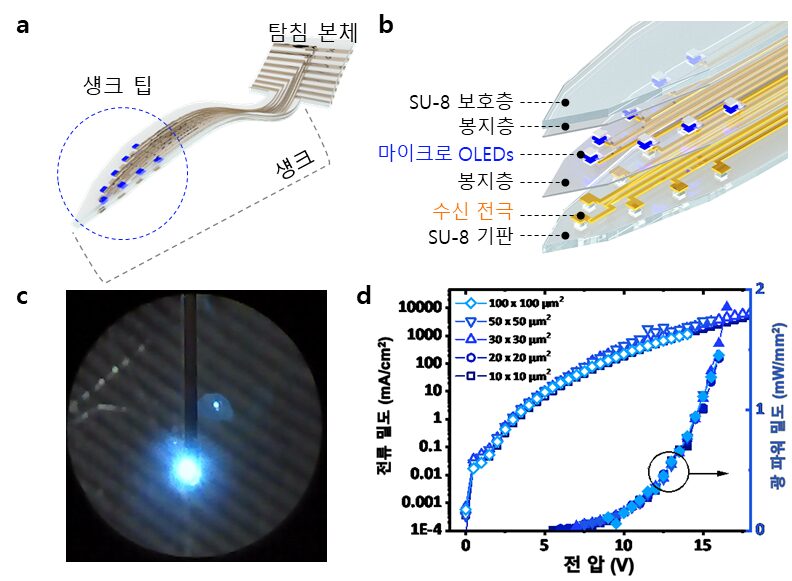
〈< Figure 1. Flexible Neural Probe for Integrated Optogenetics Using Micro-OLEDs (a) Schematic Diagram (b) Multilayer Structure (c) Demonstration of Individual Micro-OLED Pixel Operation (d) Electro-Optical Characteristics Graph of Micro-OLEDs Integrated on the Probe〉


However, the device’s electrical properties degrade easily in the presence of moisture or water, which limited their use as implantable bioelectronics. Furthermore, optimizing the high-resolution integration process on thin, flexible probes remained a challenge.


To address this, the team enhanced the operational reliability of OLEDs in moist, oxygen-rich environments and minimized tissue damage during implantation. They patterned an ultrathin, flexible encapsulation layer* composed of aluminum oxide and parylene-C (Al₂O₃/parylene-C) at widths of 260–600 micrometers (μm) to maintain biocompatibility.  *Encapsulation layer: A barrier that completely blocks oxygen and water molecules from the external environment, ensuring the longevity and reliability of the device.


When integrating the high-resolution micro OLEDs, the researchers also used parylene-C, the same biocompatible material as the encapsulation layer, to maintain flexibility and safety. To eliminate electrical interference between adjacent OLED pixels and spatially separate them, they introduced a pixel define layer (PDL), enabling the independent operation of eight micro OLEDs.


Furthermore, they precisely controlled the residual stress and thickness in the multilayer film structure of the device, ensuring its flexibility even in biological environments. This optimization allowed for probe insertion without bending or external shuttles or needles, minimizing mechanical stress during implantation.


1. 논문의 전면표지 그림
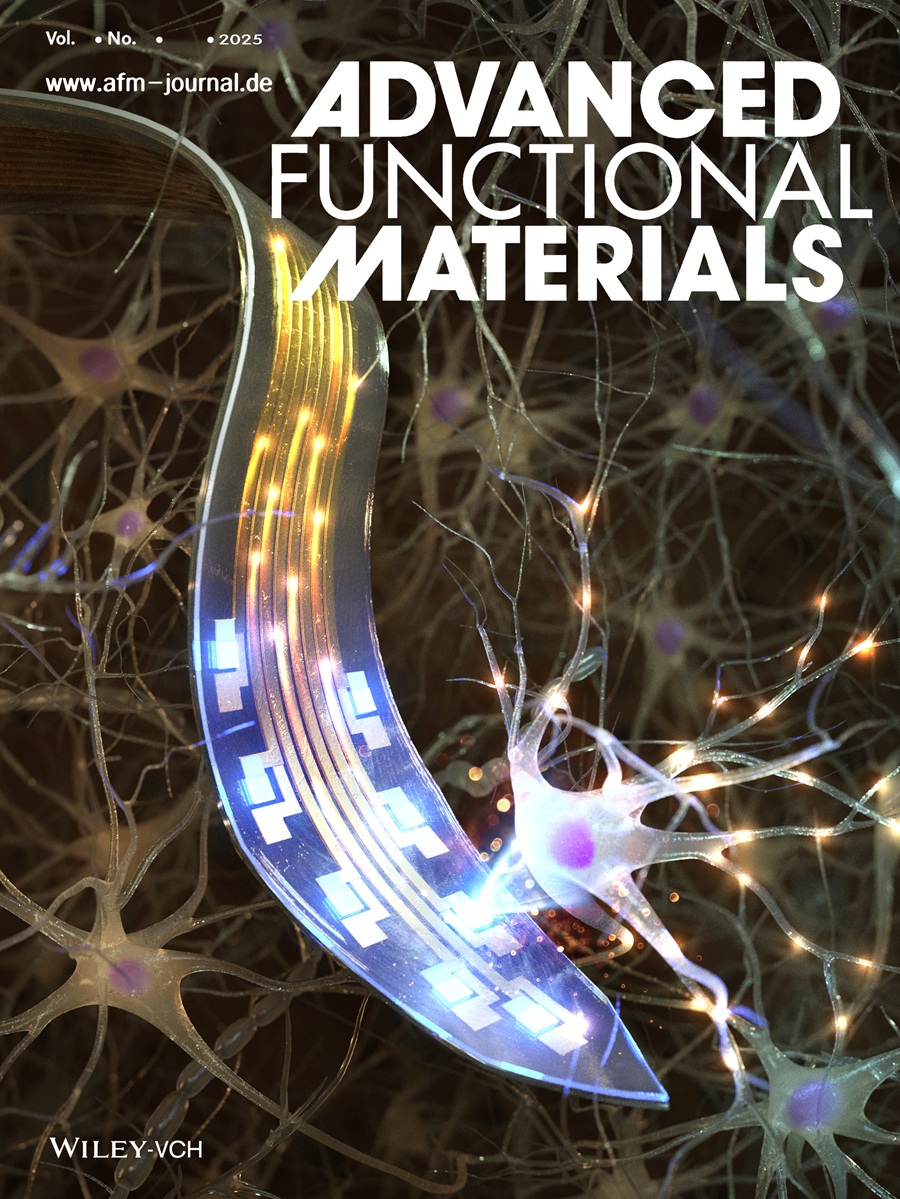
〈dvanced Functional Materials-Conceptual diagram of a flexible neural probe for integrated optogenetics (Micro-OLED)〉
 
As a result, the team developed a flexible neural probe with integrated micro OLEDs capable of emitting more than one milliwatt per square millimeter (mW/mm²) at 470 nanometers (nm), the optimal wavelength for activating channelrhodopsin-2. This is a significantly high light output for optogenetics and biomedical stimulation applications.
 
The ultrathin flexible encapsulation layer exhibited a low water vapor transmission rate of 2.66×10⁻⁵ g/m²/day, allowing the device to maintain functionality for over 10 years. The parylene-C-based barrier also demonstrated excellent performance in biological environments, successfully enabling the independent operation of the integrated OLEDs without electrical interference or bending issues.
 
Dr. Somin Lee, the lead author from Professor Choi’s lab, stated, “We focused on fine-tuning the integration process of highly flexible, high-resolution micro OLEDs onto thin flexible probes, enhancing their biocompatibility and application potential. This is the first reported development of such flexible OLEDs in a probe format and presents a new paradigm for using flexible OLEDs as implantable medical devices for monitoring and therapy.”
 
This study, with Dr. Somin Lee as the first author, was published online on March 26 in Advanced Functional Materials (IF 18.5), a leading international journal in the field of nanotechnology, and was selected as the cover article for the upcoming July issue.
 
 ※ Title: Advanced Micro-OLED Integration on Thin and Flexible Polymer Neural Probes for Targeted Optogenetic Stimulation
 ※ DOI: https://doi.org/10.1002/adfm.202420758
 
The research was supported by the Ministry of Science and ICT and the National Research Foundation of Korea through the Electronic Medicine Technology Development Program (Project title: Development of Core Source Technologies and In Vivo Validation for Brain Cognition and Emotion-Enhancing Light-Stimulating Electronic Medicine).

AI Manipulating Public Opinion? Technology to Detect Korean “AI-Generated Comments

png
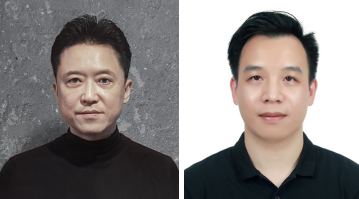
〈 (Left to right) KAIST School of Electrical Engineering Professor Yongdae Kim, Sungkyunkwan University Professor Hyoungshick Kim, KAIST School of Computing Professor Alice Oh, National Security Research Institute Senior Researcher Wooyoung Go 〉

As generative AI technology advances, so do concerns about its potential misuse in manipulating online public opinion. Although detection tools for AI-generated text have been developed previously, most are based on long, standardized English texts and therefore perform poorly on short (average 51 characters), colloquial Korean news comments. The research team from KAIST has made headlines by developing the first technology to detect AI-generated comments in Korean.


A research team led by Professor Yongdae Kim from KAIST’s School of Electrical Engineering, in collaboration with the National Security Research Institute, has developed XDAC, the world’s first system for detecting AI-generated comments in Korean.


Recent generative AI can adjust sentiment and tone to match the context of a news article and can automatically produce hundreds of thousands of comments within hours—enabling large-scale manipulation of public discourse. Based on the pricing of OpenAI’s GPT-4o API, generating a single comment costs approximately 1 KRW. At this rate, producing the average 200,000 daily comments on major news platforms would cost only about 200,000 KRW (approx. USD 150) per day. Public LLMs, with their own GPU infrastructure, can generate massive volumes of comments at virtually no cost.


The team conducted a human evaluation to see whether people could distinguish AI-generated comments from human-written ones. Of 210 comments tested, participants mistook 67% of AI-generated comments for human-written, while only 73% of genuine human comments were correctly identified. In other words, even humans find it difficult to accurately tell AI comments apart. Moreover, AI-generated comments scored higher than human comments in relevance to article context (95% vs. 87%), fluency (71% vs. 45%), and exhibited a lower perceived bias rate (33% vs. 50%).


Until now, AI-generated text detectors have relied on long, formal English prose and fail to perform well on brief, informal Korean comments. Such short comments lack sufficient statistical features and abound in nonstandard colloquial elements, such as emojis, slang, repeated characters, where existing models do not generalize well. Additionally, realistic datasets of Korean AI-generated comments have been scarce, and simple prompt-based generation methods produced limited diversity and authenticity.


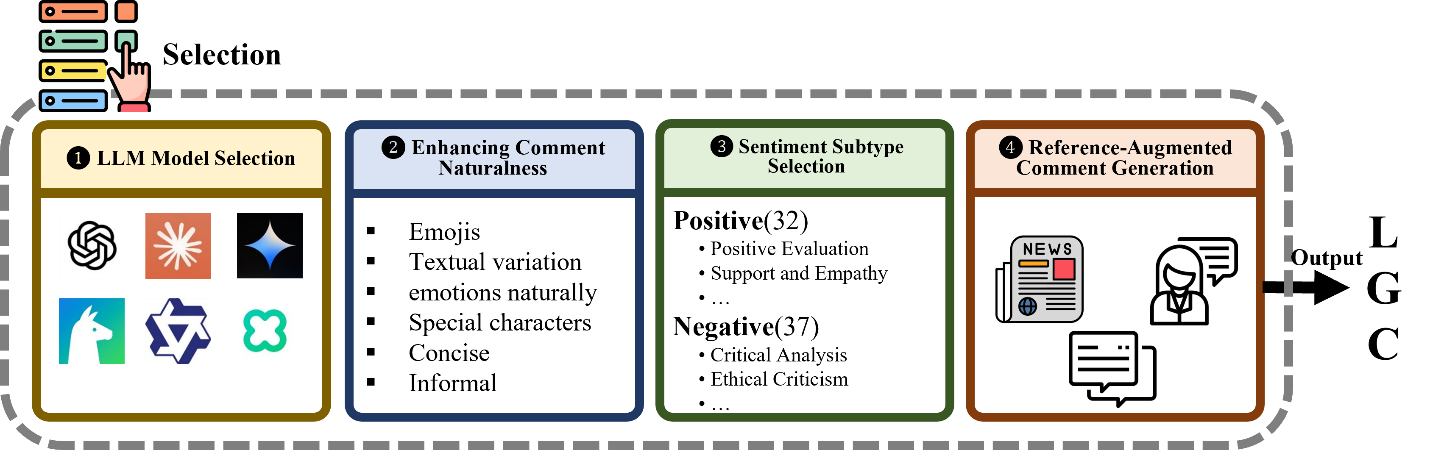
To overcome these challenges, the team developed an AI comment generation framework that employs four core strategies: 1) leveraging 14 different LLMs, 2) enhancing naturalness, 3) fine-grained emotion control, and 4) reference-based augmented generation, to build a dataset mirroring real user styles. A subset of this dataset has been released as a benchmark. By applying explainable AI (XAI) techniques to precise linguistic analysis, they uncovered unique linguistic and stylistic features of AI-generated comments through XAI analysis.


1영
< Figure 1. AI Comment Generation Framework >


For example, AI-generated comments tended to use formal expressions like “것 같다” (“it seems”) and “에 대해” (“about”), along with a high frequency of conjunctions, whereas human commentators favored repeated characters (ㅋㅋㅋㅋ), emotional interjections, line breaks, and special symbols.


In the use of special characters, AI models predominantly employed globally standardized emojis, while real humans incorporated culturally specific characters including Korean consonants (ㅋ, ㅠ, ㅜ) and symbols (ㆍ, ♡, ★, •).


Notably, 26% of human comments included formatting characters (line breaks, multiple spaces), compared to just 1% of AI-generated ones. Similarly, repeated-character usage (e.g. ㅋㅋㅋㅋ, ㅎㅎㅎㅎ, etc.)  appeared in 52% of human comments but only 12% of AI comments.


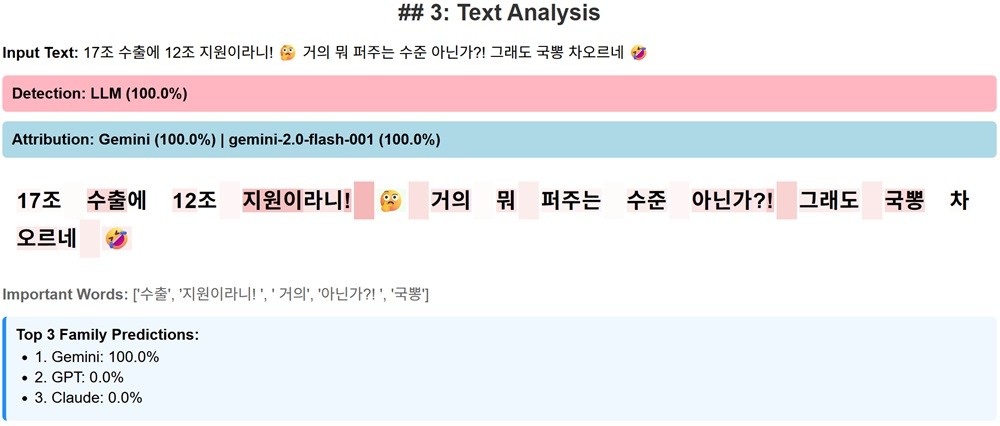
XDAC captures these distinctions to boost detection accuracy. It transforms formatting characters (line breaks, spaces) and normalizes repeated-character patterns into machine-readable features. It also learns each LLM’s unique linguistic fingerprint, enabling it to identify which model generated a given comment.


With these optimizations, XDAC achieves a 98.5% F1 score in detecting AI-generated comments, a 68% improvement over previous methods, and records an 84.3% F1 score in identifying the specific LLM used for generation.


2영
< Figure 2. XDAC Demo: Detection and Identification in Action >


Professor Yongdae Kim emphasized, “This study is the world’s first to detect short comments written by generative AI with high accuracy and to attribute them to their source model. It lays a crucial technical foundation for countering AI-based public opinion manipulation.”


The team also notes that XDAC’s detection capability may have a chilling effect, much like sobriety checkpoints, drug testing, or CCTV installation, which can reduce the incentive to misuse AI simply through its existence.


Platform operators can deploy XDAC to monitor and respond to suspicious accounts or coordinated manipulation attempts, with strong potential for expansion into real-time surveillance systems or automated countermeasures.


The core contribution of this work is the XAI-driven detection framework. It has been accepted to the main conference of ACL 2025, the premier venue in natural language processing, taking place on July 27th.


※Paper Title:
 XDAC: XAI-Driven Detection and Attribution of LLM-Generated News Comments in Korean


※Full Paper:
 https://github.com/airobotlab/XDAC/blob/main/paper/250611_XDAC_ACL2025_camera_ready.pdf


This research was conducted under the supervision of Professor Yongdae Kim at KAIST, with Senior Researcher Wooyoung Go (NSR and PhD candidate at KAIST) as the first author, and Professors Hyoungshick Kim (Sungkyunkwan University) and Alice Oh (KAIST) as co-authors.